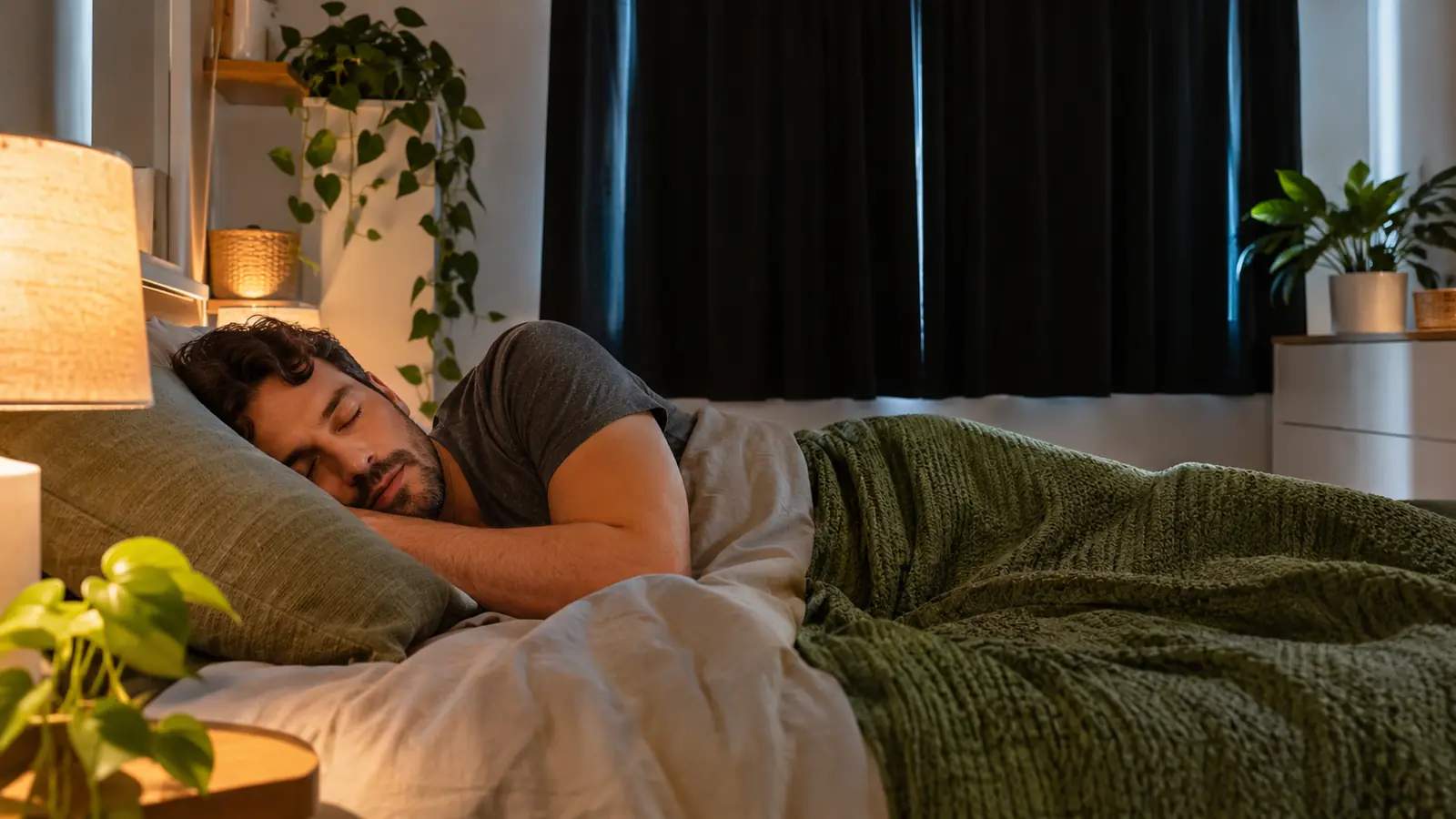
Editorial illustration generated or digitally adapted with AI; not a photograph of a real patient or product.
AI-generated editorial imagery; illustrations do not depict real patients or specific commercial products.
Daytime sleep can be difficult because daylight and everyday noise compete with the body clock.
Healthy Living Guide Editorial Team · Published 2026-11-07 · Updated 2026-11-07
Key Takeaways
If you are very sleepy after a shift, driving may be unsafe.
Use blackout curtains or an eye mask, reduce noise where possible, and keep the room comfortably cool.
Aim for enough total sleep across 24 hours.
Protect your journey home
If you are very sleepy after a shift, driving may be unsafe. Arrange a safer way home when needed. Bright light exposure may also affect your ability to fall asleep later.
Set up a daytime sleep space
Use blackout curtains or an eye mask, reduce noise where possible, and keep the room comfortably cool. Let people you live with know your intended sleep window.
Plan a realistic sleep window
Aim for enough total sleep across 24 hours. Some shift workers use a main sleep period plus a planned nap, but the best pattern depends on the schedule.
Use caffeine thoughtfully
Caffeine near the end of a shift can make daytime sleep harder. Avoid relying on alcohol to induce sleep.
Consider your commute part of the transition into sleep rather than an opportunity to catch up on errands. Before leaving work, decide whether you need a snack, water and a safe ride home. At home, use a predictable sequence: wash up, change into comfortable clothes, close the curtains and put the phone on silent. This reduces the number of choices you must make while tired. If you are dangerously sleepy while driving, do not rely on an open window or loud music: stop somewhere safe and arrange an alternative. Your safety matters more than reaching your bed quickly.
Decide what to do with daylight
Morning light is a powerful wake signal, which is inconvenient when your intended bedtime is after sunrise. Plan the journey home with this in mind and limit unnecessary time outdoors in full sun after the shift. A bedroom with blackout curtains can support a darker sleep opportunity, but it is not necessary to buy expensive products: temporary light-blocking materials, a comfortable mask and small changes around the door may help. Keep a safe route to the bathroom and do not block ventilation. Test the setup during an ordinary day before your next run of shifts.
Make your sleep window visible to other people
Let housemates, family or flatmates know the hours when you plan to sleep. A small sign on the door, quiet-mode settings and agreed delivery arrangements can avoid interruptions. If your home is busy, identify the loudest predictable period and decide whether earplugs or a safe background sound might improve comfort. Some workers prefer split sleep, with a main period after work and an additional nap before the next shift. What matters is adequate opportunity for sleep, not an artificially perfect routine.
Review your pattern without blaming yourself
Keep a simple record for one week: when your shift ended, when you went to bed, roughly how long you slept, and whether you felt sleepy while travelling or working. Avoid turning the record into a daily scorecard. Its purpose is to identify obstacles that can actually be changed, such as caffeine too close to bedtime or a bright room. Persistent difficulty sleeping, severe daytime sleepiness, heavy snoring or breathing pauses deserve a conversation with a qualified clinician; a guide or paid programme cannot replace evaluation.
A practical way to apply this guide
For your own routine, consider this question about protect the first hour after work: what is the smallest change you can try this week, and how will you know whether it fits your circumstances? Consider your commute part of the transition into sleep rather than an opportunity to catch up on errands. Keep the experiment realistic and avoid turning advice into a strict rule.
For your own routine, consider this question about decide what to do with daylight: what is the smallest change you can try this week, and how will you know whether it fits your circumstances? Morning light is a powerful wake signal, which is inconvenient when your intended bedtime is after sunrise. Keep the experiment realistic and avoid turning advice into a strict rule.
For your own routine, consider this question about make your sleep window visible to other people: what is the smallest change you can try this week, and how will you know whether it fits your circumstances? Let housemates, family or flatmates know the hours when you plan to sleep. Keep the experiment realistic and avoid turning advice into a strict rule.
Institutional reading
For further context, consult this public-health resource. It does not evaluate or endorse any product linked elsewhere on this page.