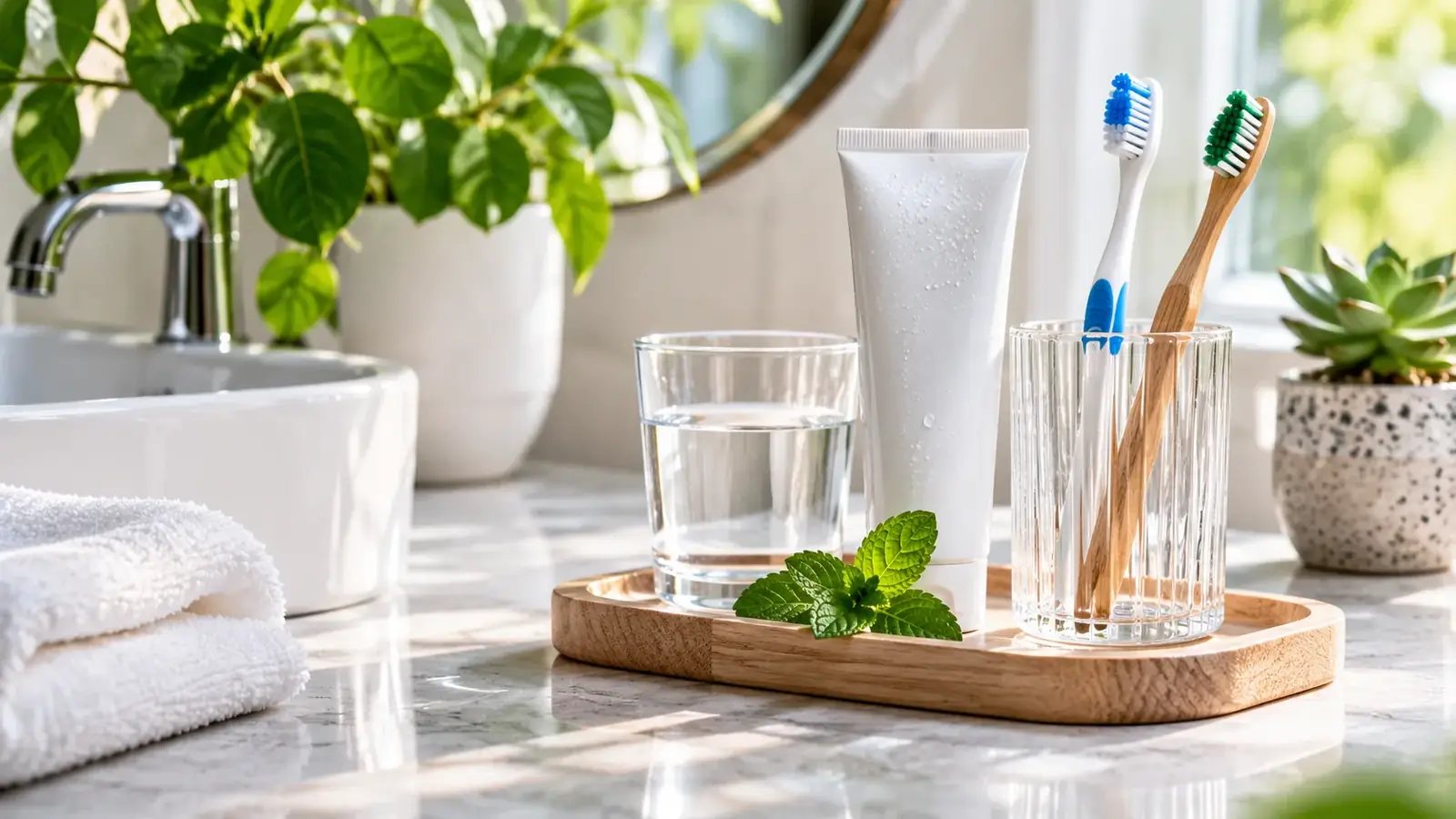
Use a soft-bristled brush and fluoride toothpaste appropriate to your needs. Brush gently over outer, inner and chewing surfaces, including the gumline, rather than pressing hard. Set aside enough time to reach the back teeth and other areas you may routinely miss. If your gums bleed repeatedly, do not assume stronger brushing is the answer; ask a dental professional to check the cause and recommend a technique.
Choose an interdental method you can use
A toothbrush cannot reach every surface between teeth. Depending on your dental spaces and dexterity, floss, interdental brushes or another dentist-recommended cleaner may be appropriate. Ask for a demonstration if the technique is difficult. The most useful tool is one you can use safely and consistently. Cleaning should not require painful force, and an uncomfortable fit is a reason to seek advice.
Think about drinks and snacking patterns
Frequent sugary or acidic drinks can expose teeth repeatedly throughout the day. Water is a practical default for many people, and regular meals can be easier on oral-care routines than constant grazing. Avoid assuming that a product labelled natural is gentle on enamel. If you have dry mouth, reflux or particular dental risks, the right advice may differ and is worth discussing at an appointment.
Know what products cannot replace
A probiotic supplement or specialized toothpaste should not be presented as a substitute for brushing, interdental cleaning or professional care. Review product claims with caution, particularly when research evaluates individual strains but the seller does not provide comparable evidence for its finished formula. Pain, swelling, persistent bleeding or a broken tooth need timely dental assessment.
A practical way to apply this guide
For your own routine, consider this question about make brushing thorough rather than forceful: what is the smallest change you can try this week, and how will you know whether it fits your circumstances? Use a soft-bristled brush and fluoride toothpaste appropriate to your needs. Keep the experiment realistic and avoid turning advice into a strict rule.
For your own routine, consider this question about choose an interdental method you can use: what is the smallest change you can try this week, and how will you know whether it fits your circumstances? A toothbrush cannot reach every surface between teeth. Keep the experiment realistic and avoid turning advice into a strict rule.
For your own routine, consider this question about think about drinks and snacking patterns: what is the smallest change you can try this week, and how will you know whether it fits your circumstances? Frequent sugary or acidic drinks can expose teeth repeatedly throughout the day. Keep the experiment realistic and avoid turning advice into a strict rule.
Institutional reading
For further context, consult this public-health resource. It does not evaluate or endorse any product linked elsewhere on this page.
Bring a list of concerns, including discomfort when chewing, sensitivity, bleeding, dry mouth or difficulty reaching particular areas with your brush. If you use supplements or mouthwashes, mention them alongside medications. A dentist or hygienist can demonstrate interdental cleaning tools suited to the spaces between your teeth and review whether your fluoride toothpaste is appropriate. Ask what signs would mean you should return sooner rather than waiting for a routine appointment. Documenting the advice helps turn general guidance into a plan that fits your own mouth, health status and ability to perform daily care.
If you have braces, implants, bridges or dental appliances, ask which cleaning tools are suitable for your situation. Different surfaces may need different approaches, and discomfort should not simply be ignored.
MORE TO EXPLORE
Continue exploring
Practical, free guides you can read at your own pace.